Geewin Matches – Safety matches industry



Match Box Guide
Posted on Sep 23, 2026 | by Geewin Matches

“Match box” is searched more than 40,500 times a month worldwide. That’s a big number for a product most people assume nobody thinks about anymore.
Here’s the thing: matches haven’t disappeared, they’ve just gone quiet. Global B2B buyer demand for matches grew 7.46% year-over-year, and specific categories are moving even faster — kitchen matches are up 471%, and waterproof matchboxes are up 399%, both year-over-year. Lighters didn’t kill the match box. They just made room for it to specialize.
This guide breaks down everything worth knowing about a match box: what’s actually inside one, how it’s manufactured on a real production line, the different types available, the safety standards that separate a compliant box from a risky one, and how to vet a manufacturer before you place an order. The manufacturing steps below come straight from an active Indian safety-matches factory floor — Geewin Matches’ own facility in Kovilpatti, Tamil Nadu, operating since 2006 — not a stock description copied across ten other sites.
What Is a Match Box, Exactly?
A match box is a small container — usually cardboard, sometimes a booklet or a metal case — that holds matchsticks and provides the surface needed to ignite them safely. Two things have to be present for it to work as a system, not just a box: the matchstick head (the chemical mixture that ignites) and the striking strip on the outside of the box (a rough surface coated in red phosphorus and powdered glass).
Quick clarification, since Google mixes intent here: this guide is about the fire-starting product, not “Matchbox” die-cast toy cars or the Malayalam movie of the same name. If you searched “match box” for either of those, you’re in the wrong place — but if you’re here for the actual object, or you manufacture, buy, or sell them, keep reading.
A standard matchbox has three physical parts: the outer sleeve (printed with the brand), the inner tray that slides out, and the striking strip glued to the side or top of the sleeve. Miss any one of the three, and the box doesn’t function the way regulators expect it to.
A Brief History of the Match Box
The friction match was invented in 1826 by English chemist John Walker, who discovered it almost by accident while scraping a chemical-coated stick across his hearth. It worked, but it was unstable — it could ignite from friction with almost any rough surface, including the inside of a pocket.
The version used today, the “safety match,” came about in Sweden. Chemist Gustaf Erik Pasch patented the idea of separating the oxidizing agent from the red phosphorus in 1844, and the Lundström brothers commercialized it in 1855 in Jönköping. That single change — splitting the ignition chemistry between the match head and the box’s striking strip — is why a modern match box won’t self-ignite the way Walker’s original design could. You can read more on the full history of the match.
Matches reached India in the early 20th century. The first Indian match-wood factory opened in West Bengal in the 1920s, and Tamil Nadu followed in 1923, when a Sivakasi unit began producing “Lucifer matches.” A century later, that same belt of Tamil Nadu — Sivakasi, Kovilpatti, Sattur — still makes the majority of the country’s matches, and Geewin Matches’ own factory sits inside that same manufacturing corridor.
How a Match Box Is Actually Made (Real Factory Process)
Most “how matches are made” content online is generic. Here’s what actually happens on a production line, based on Geewin’s own factory process.
1. Splint Selection and Dipping
Manufacturers choose between two splint types — Indian Malabarica wood or imported Poplar — selected according to the buyer’s purchase order. The splints are then dipped in the head chemical, the mixture that will ignite when struck.
2. Inner Box Assembly
Reels of inner-box material run through automated machines set to the client’s size specification. A box-filling machine loads each tray with a pre-set stick count — this is where a “40-stick” or “50-stick” box gets its exact number.
3. Outer Box Printing and Combination
The outer box is made from coated duplex board, chosen by GSM (paper weight) and printed with the client’s design. After cutting, the friction chemical is applied to the striking surface, and the sleeve is combined with the filled inner tray on an automated line.
4. Three-Tier Packing
Ten match boxes are bundled into a “10s” pack. Ten of those packs form a “100s” secondary pack, shrink-wrapped or poly-bagged. Ten “100s” packs are then boxed into a 3-ply carton as the final “1000s” tertiary pack — the unit that actually gets loaded into a shipping container.
5. Quality Check and Container Loading
Before loading, boxes are checked against BIS IS 1264:2019, the Indian standard for safety matches. Two numbers matter most here: the match head must not self-ignite below 250°C, and it must still ignite reliably after 8 hours at 95% relative humidity — a real test for anyone exporting to humid coastal markets. Loading typically happens with in-house quality inspectors and, for larger export orders, third-party inspectors nominated by the buyer.
Types of Match Boxes (And When Each One Makes Sense)
Cardboard / Wooden Safety Matches
The everyday retail matchbox — wooden splints, a standard cardboard sleeve, and a striking strip on the side. This is the base product most manufacturers, including Geewin’s cardboard safety matches line, build every other variant from.
Wax Safety Matches
The stick is coated in paraffin wax, which makes it more water-resistant and slower-burning than a plain wooden splint. Demand for waterproof matchboxes grew 399% year-over-year on global B2B platforms — camping, marine use, and humid climates all drive this. Explore wax safety matches.
Kitchen Safety Matches
Shorter sticks, a compact box, and a design built for repeated daily use at a stove. This category posted the sharpest growth of any match segment tracked — 471% year-over-year — likely as household and hospitality demand recovered. See kitchen safety matches.
Veneer Safety Matches
Made from thin wood veneer instead of a solid splint, these are lighter, often marketed as more eco-friendly, and commonly used for boutique, gifting, or hospitality packaging where presentation matters as much as function. Browse veneer safety matches.
Long Stick / Barbecue Matches
Extended splints — built to light grills, fireplaces, candles, and gas appliances from a safe distance. Check out long stick BBQ matches.
Safety Matches vs. “Strike Anywhere” Matches
The difference comes down to where the chemicals sit. A safety match splits the ignition chemistry: the oxidizer is in the match head, and the red phosphorus is on the box’s striking strip. Strike the match anywhere else, and nothing happens.
A “strike-anywhere” match puts both chemicals in the head itself, which is exactly why it can ignite from friction against almost any rough surface — including inside a pocket or a shipping crate. Most countries now restrict or ban them for this reason, and international air travel authorities generally prohibit strike-anywhere matches while still permitting safety matches in limited quantities.
Quality and Safety Standards a Real Supplier Should Meet
In India, safety matches fall under BIS IS 1264:2019, and boxed safety matches specifically under IS 2653:2004 — both carrying a mandatory ISI mark requirement. These specifications cover match-head composition, striking-surface grit, self-ignition resistance, and moisture tolerance.
Beyond the ISI mark, a few credentials are worth checking before you place a bulk or export order:
- FIEO registration (Federation of Indian Export Organisations)
- CAPEXIL membership — the Chemical and Allied Products Export Promotion Council that covers explosives and pyrotechnic products, including matches
- ISO certification for manufacturing quality
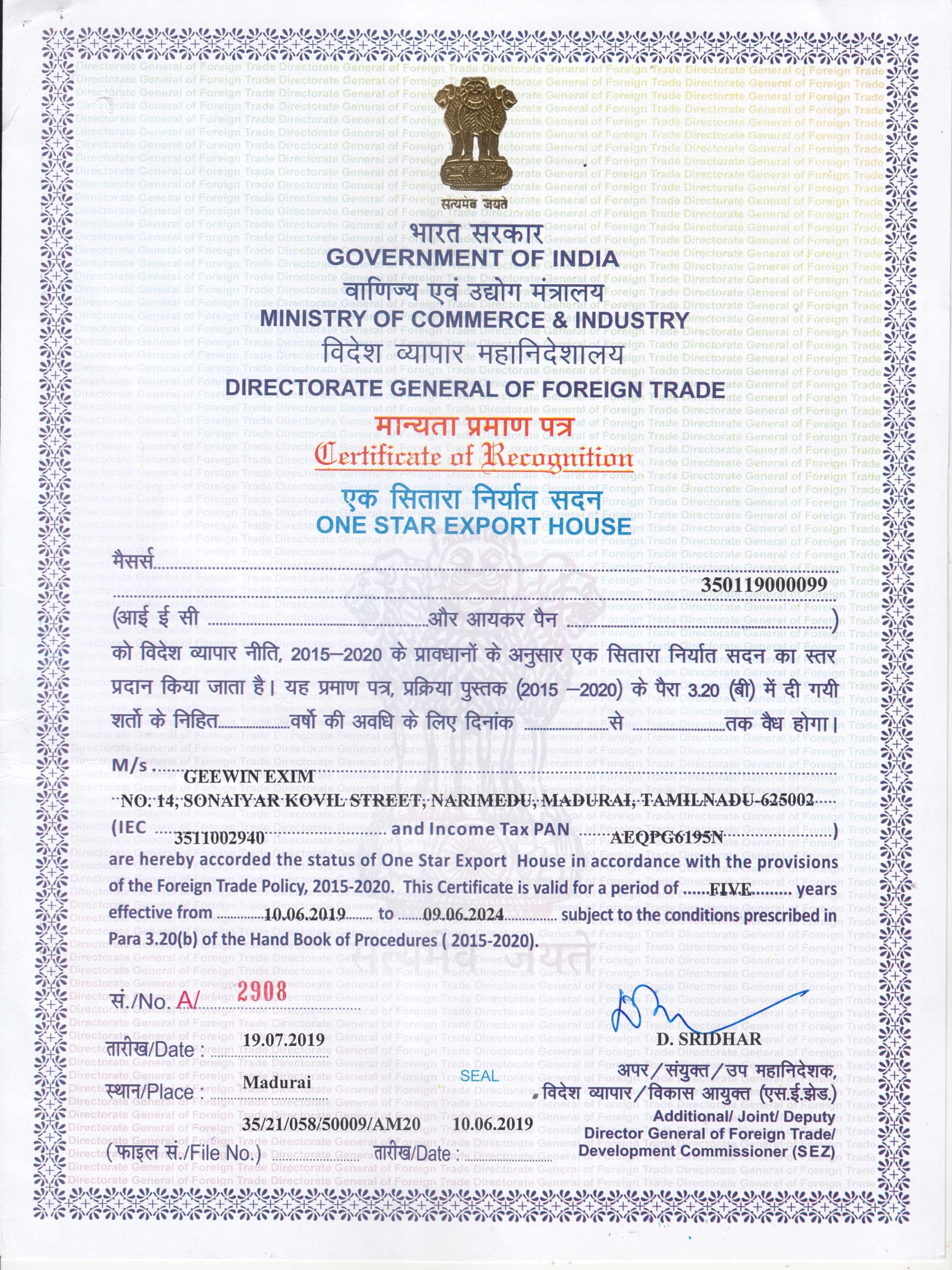
- A documented factory process with third-party inspection on record, and visible certificates
If a supplier can’t show you at least the ISI mark and an export registration, that’s a red flag worth pausing on.
The Global Match Box Market, By the Numbers (2026)
A few real data points worth knowing if you’re buying, selling, or investing in this category:
Global B2B buyer demand for matches grew 46% year-over-year, with a supply-demand ratio of 2.82 — more buyers chasing fewer quality suppliers (source).
Eco-friendly matches are up 400% in demand; waterproof matchboxes, 399%; kitchen matches, 471% — all year-over-year.
The US accounts for roughly 88% of global buyers, while Mexico (+65.82%), India (+65.36%), and France (+46.69%) are the fastest-growing buyer markets.
Top-performing exporters on B2B platforms report $200K+ in annual GMV, serving 7,000+ buyers, largely into Denmark, Ukraine, Israel, and Bulgaria.
The ordinary-matches segment alone was valued at roughly $93.7 million in 2018, within a global matches market forecast to grow modestly — about 1% to 1.55% CAGR — through 2028 (Technavio).
On the supply side, Tamil Nadu’s Sivakasi–Kovilpatti–Sattur belt produces an estimated 75–80% of India’s matches and employs around 2.5 lakh (250,000) people directly, with women making up roughly 74% of that workforce.
That last point matters more than it looks. When a manufacturer is based inside that cluster, it draws on a regional supply chain and skilled labor pool refined over a century — not starting from scratch. Indian exporters are increasingly capturing this global demand directly: Geewin Matches, for instance, ships cardboard, wax, kitchen, and veneer matches to buyers across Africa (Angola, Nigeria, Ghana, Senegal), the Middle East (UAE, Saudi Arabia), and Latin America (Mexico, Peru, Haiti, Panama) — several of the same regions showing the fastest B2B buyer growth in the data above.
Custom and Private-Label Match Boxes for Businesses
Search interest backs up what’s happening in the market: “customizable match box” gets 5,400 monthly searches, and “personalised match box” adds another 2,400. Hotels, restaurants, wedding planners, and retail brands are increasingly ordering matchboxes as a branded touchpoint, not just a utility item.
A private-label order typically lets you choose the box size, the outer print design, the stick count, and the splint or wax type — all specified on the purchase order before the first splint gets dipped. Private labelling works well as a low-cost, high-visibility branding item, especially for hospitality and gifting. See how other brands have used this in Top 5 Benefits of Using Customized Matchboxes.
How to Choose the Right Match Box Manufacturer or Exporter
Before you commit to a bulk or export order, run through this checklist:
- ISI/BIS certification (IS 1264:2019) — non-negotiable for the Indian market
- Export documentation — a valid IEC code, FIEO or CAPEXIL registration
- Production capacity and MOQ that actually match your order size
- Customization flexibility — box size, print, stick count, splint type
- Visible quality control across all three packing tiers (10s, 100s, 1000s)
- A track record of ports served and countries exported to
- Willingness to provide samples and allow third-party inspection before shipment
A manufacturer that can answer all seven points without hesitation is one worth requesting a quote from. Explore Geewin’s safety matches suppliers page or get in touch with the export team directly.
Frequently Asked Questions
What is a match box used for?
Beyond lighting cigarettes or stoves, match boxes are used for candles, incense, camping and outdoor fires, barbecues, and emergency kits — they’re also a common branding item for hotels and restaurants.
Are safety matches allowed on flights?
Airlines and civil aviation authorities generally allow one small box of safety matches per passenger in carry-on or checked baggage, but strike-anywhere matches are typically prohibited. Always check the specific airline and country’s rules before traveling.
What’s the difference between a safety match and a strike-anywhere match?
A safety match only ignites against its own box’s striking strip because the two ignition chemicals are kept separate. A strike-anywhere match has both chemicals in the head and can ignite against almost any rough surface.
How many matchsticks come in a standard match box?
It varies by market and manufacturer, but most retail boxes hold somewhere between 40 and 50 sticks. Bulk and export orders can be customized to a buyer-specified count.
Can match boxes be personalized with a logo or design?
Yes. Private-label and custom matchbox orders typically allow control over the outer print design, box size, and splint or wax type, making them a common low-cost branding item for hospitality and events.
Are match boxes biodegradable or eco-friendly?
Cardboard and wood-based match boxes are generally biodegradable. Wax coating reduces biodegradability slightly, but a wax match box still breaks down far more easily than a disposable plastic lighter — and veneer matches are often marketed specifically for eco-conscious buyers.
The Bottom Line
A match box looks simple from the outside — small, cheap, easy to overlook. But behind that simplicity sits a regulated chemical product, a century-old regional manufacturing cluster, and a global market that’s still growing in specific categories even as lighters dominate elsewhere.
Whether you’re sourcing matchboxes for retail, hospitality branding, or export, the standards, the real manufacturing steps, and the market data above are what separate a reliable order from a risky one. Get in touch with Geewin Matches to request samples, certifications, or a quote.
